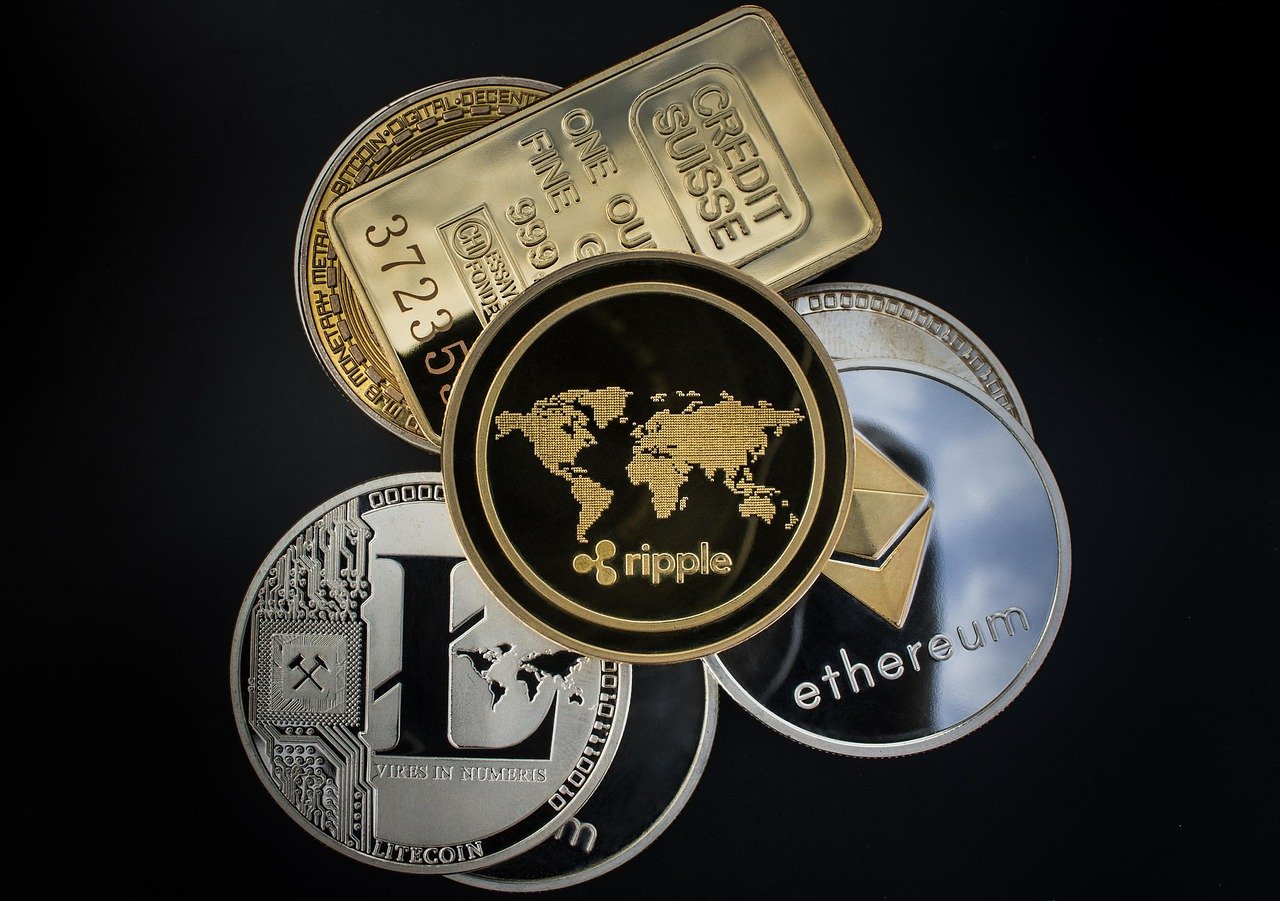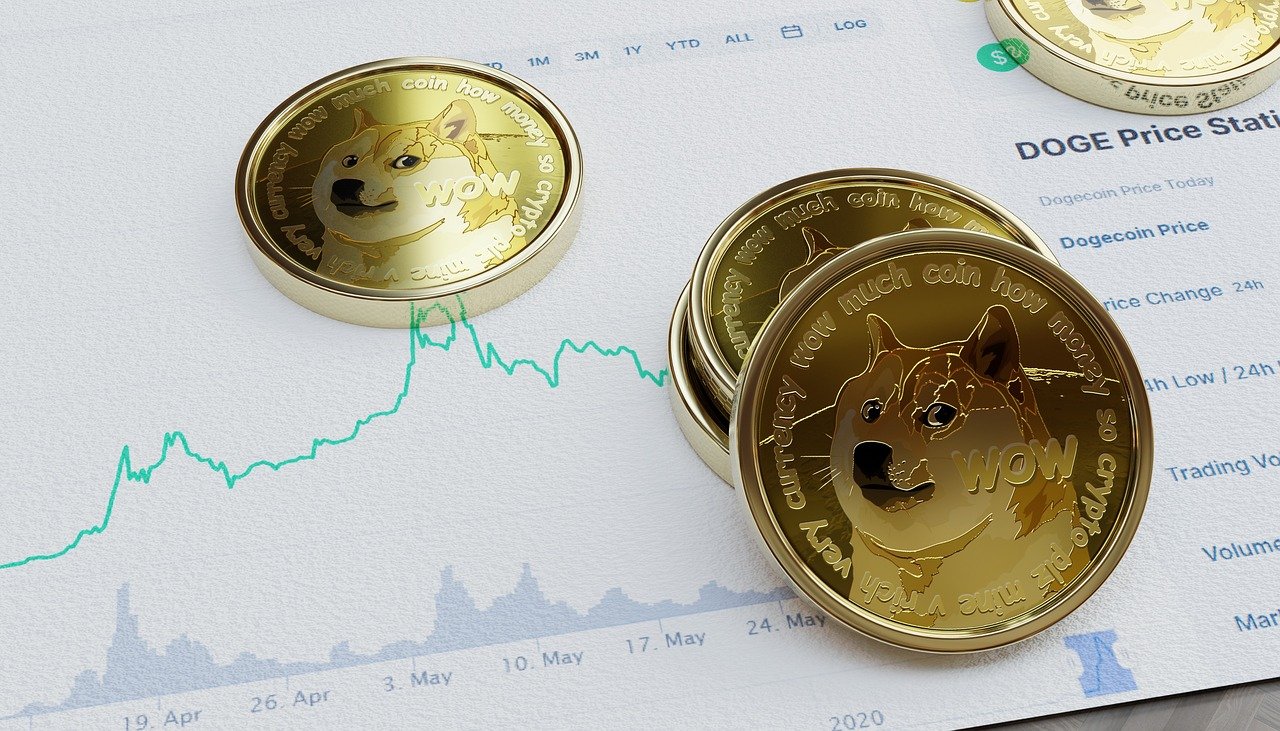
The world of cryptocurrencies, once a niche interest, has exploded into a global financial phenomenon. At the heart of this digital revolution are crypto exchanges – the vital platforms that enable millions to buy, sell, and trade digital assets like Bitcoin, Ethereum, and thousands of altcoins. Whether you’re a seasoned investor or just taking your first steps into the crypto universe, understanding how these exchanges operate is fundamental to navigating this exciting, yet complex, landscape. This comprehensive guide will demystify crypto exchanges, helping you make informed decisions and empowering your journey into digital finance.
What Are Crypto Exchanges and How Do They Work?
A cryptocurrency exchange is essentially an online marketplace where users can trade cryptocurrencies for other cryptocurrencies, or for traditional fiat currencies like USD, EUR, or GBP. Think of it as a stock exchange, but for digital assets. These platforms serve as the primary gateways for most people to access the crypto market, providing the infrastructure for price discovery and trade execution.
The Core Mechanics: Order Books and Matching Engines
At the technical core of most crypto exchanges are two fundamental components:
- Order Book: This is a real-time list of all buy and sell orders for a specific cryptocurrency pair (e.g., BTC/USD). It displays the prices at which traders are willing to buy (bids) or sell (asks), and the quantities they wish to trade. High liquidity, indicated by a deep order book, means there are plenty of buyers and sellers, making it easier to execute trades quickly and at fair prices.
- Matching Engine: This sophisticated software constantly scans the order book to find matching buy and sell orders. When a buyer’s bid price matches a seller’s ask price, the matching engine executes the trade, facilitating the exchange of assets between the two parties.
Actionable Takeaway: Familiarize yourself with an exchange’s order book for your chosen asset. A deep, active order book usually signals good liquidity and more reliable price execution.
Choosing the Right Crypto Exchange: Key Factors
With hundreds of crypto exchanges available globally, selecting the best one can feel daunting. Your choice significantly impacts your trading experience, security, and access to assets. Here are the crucial factors to consider:
Security Measures and Regulatory Compliance
Security is paramount in the crypto space. Exchanges are often targets for hackers, making robust security protocols essential. Look for platforms that implement:
- Two-Factor Authentication (2FA): Mandatory for all accounts.
- Cold Storage: Storing a significant portion of user funds offline to protect against online hacks.
- Encryption: Protecting user data and communication.
- Insurance Funds: Some exchanges offer insurance to cover losses from hacks, though terms vary.
- Bug Bounty Programs: Encouraging ethical hackers to find and report vulnerabilities.
Regulatory compliance, such as adherence to KYC (Know Your Customer) and AML (Anti-Money Laundering) laws, indicates a more legitimate and trustworthy operation, though it may require more personal information from you.
Fees, Supported Assets, and Liquidity
- Trading Fees: Understand the fee structure – maker (for adding liquidity) and taker (for removing liquidity) fees. These can range from 0.05% to 0.5% or more per trade. High-volume traders often get lower fees.
- Withdrawal Fees: Don’t forget the cost of moving your crypto off the exchange. These vary by asset and network congestion.
- Supported Cryptocurrencies: Ensure the exchange lists the digital assets you wish to buy or trade. Some exchanges specialize in a few major coins, while others offer hundreds of altcoins.
- Liquidity: An exchange with high liquidity ensures your orders are filled quickly and at competitive prices, minimizing slippage (the difference between your expected price and actual execution price).
Example: If you plan to trade obscure altcoins, a large exchange like Binance might offer more options and liquidity than a smaller, regional platform. If you only want Bitcoin, almost any reputable exchange will suffice.
User Experience and Customer Support
- User Interface (UI): Is the platform intuitive and easy to navigate? Beginners might prefer simpler interfaces, while advanced traders might seek more comprehensive charting tools and order types.
- Mobile App: A functional and secure mobile app is crucial for on-the-go trading and account management.
- Customer Support: Responsive and helpful customer support is invaluable, especially when dealing with transactions or technical issues. Check for 24/7 support, live chat options, and a robust help center.
Actionable Takeaway: Before committing funds, try out an exchange’s demo account (if available) or spend some time exploring its interface. Read user reviews regarding customer support responsiveness.
Types of Crypto Exchanges
Not all crypto exchanges are created equal. They can be broadly categorized based on their operational model and the level of control they exert over user funds.
Centralized Exchanges (CEX)
The most common type, CEXs are operated by a company that acts as a middleman. They hold user funds in their custody, similar to how a traditional bank holds your money. They offer advanced trading features, high liquidity, and usually support fiat-to-crypto conversions.
- Pros: High liquidity, user-friendly interfaces, robust trading tools, often regulated, good customer support, fiat on/off-ramps.
- Cons: Custodial (you don’t hold your private keys), single point of failure (risk of hacks), KYC requirements, potential for censorship or asset freezing.
Examples: Coinbase, Binance, Kraken, Bybit.
Decentralized Exchanges (DEX)
DEXs operate without a central authority. Trades are executed directly between users via smart contracts on a blockchain, meaning users retain control of their private keys and funds at all times (non-custodial).
- Pros: Non-custodial (you control your keys), increased privacy (often no KYC), less susceptible to censorship, new and experimental tokens often list here first.
- Cons: Lower liquidity (historically), often less user-friendly, limited fiat gateways, higher transaction fees (gas fees) on some networks, limited advanced trading features.
Examples: Uniswap, PancakeSwap, Curve, dYdX.
Other Exchange Types
- Brokerages: Simplified platforms, often integrated into traditional finance apps (e.g., Robinhood Crypto). They prioritize ease of use but may offer fewer features and higher spreads.
- Peer-to-Peer (P2P) Exchanges: Facilitate direct trading between individuals, with the platform typically offering escrow services to secure the transaction. Offers flexibility in payment methods and greater privacy.
Actionable Takeaway: For beginners prioritizing ease of use and fiat access, a CEX is often a good starting point. For those seeking greater control and privacy, exploring a DEX after gaining some experience is advisable.
Understanding Fees and Security Measures
Fees can significantly impact your profitability, especially with frequent trading. Similarly, understanding and utilizing security features is critical to protecting your assets.
Common Fee Structures
Crypto exchanges typically charge various types of fees:
- Trading Fees: These are the most common, applied to each buy or sell order. Most exchanges use a “maker-taker” model:
- Maker Fees: Paid by traders who “make” or add liquidity to the order book by placing limit orders that aren’t immediately matched. These are often lower.
- Taker Fees: Paid by traders who “take” liquidity from the order book by placing market orders that are immediately matched against existing limit orders. These are often higher.
- Deposit Fees: Many exchanges offer free deposits for cryptocurrencies, but some may charge for fiat deposits (e.g., wire transfers, credit card purchases).
- Withdrawal Fees: Applied when you move crypto from the exchange to an external wallet. These cover blockchain network transaction fees and vary depending on the asset and network congestion.
- Conversion Fees (Spreads): For simple “buy now” options, exchanges may include a wider spread (difference between buy and sell price) as their fee, making the direct fee less apparent.
Example: An exchange might charge 0.1% for makers and 0.15% for takers. If you buy $1000 of Bitcoin with a market order, you pay $1.50 in fees.
Enhanced Security Measures You MUST Use
While exchanges implement their own security, much of the responsibility falls on the user:
- Enable 2FA on EVERYTHING: Use strong 2FA methods like Google Authenticator or a hardware key (YubiKey) for your exchange account and linked email. SMS 2FA is less secure.
- Strong, Unique Passwords: Use a complex password unique to your exchange account, ideally generated by a password manager.
- Whitelisting Addresses: Enable withdrawal address whitelisting, so you can only send crypto to pre-approved addresses. This prevents unauthorized withdrawals if your account is compromised.
- Phishing Awareness: Always verify URLs. Bookmark your exchange’s official site and avoid clicking links from unsolicited emails or messages.
- Cold Storage for Long-Term Holdings: For significant amounts of crypto you don’t plan to trade frequently, transfer them to your own hardware wallet (e.g., Ledger, Trezor). This removes them from exchange custody.
Actionable Takeaway: Always calculate potential fees for your trading style. Aggressively implement all available security features on your exchange account – your digital assets depend on it.
Getting Started: A Step-by-Step Guide to Using a Crypto Exchange
Ready to dive in? Here’s a typical journey for a new user on a centralized crypto exchange:
1. Account Creation and Verification (KYC)
- Sign Up: Provide your email and create a strong password.
- Enable 2FA: Immediately set up Two-Factor Authentication using an authenticator app.
- KYC Verification: To deposit significant fiat currency or withdraw larger amounts, you’ll need to complete Know Your Customer (KYC). This involves providing a government-issued ID (passport, driver’s license) and sometimes proof of address. This is a regulatory requirement to prevent fraud and money laundering.
2. Funding Your Account
Once verified, you can deposit funds:
- Fiat Deposits: Link your bank account (via ACH, wire transfer), use a debit/credit card (often with higher fees), or other local payment methods.
- Crypto Deposits: If you already own crypto, you can send it from another wallet or exchange to your exchange’s specific deposit address for that asset. Always double-check the network and address! Sending to the wrong address or network can result in permanent loss.
Example: To deposit BTC, you’d navigate to your exchange wallet, select “Deposit Bitcoin,” and copy the unique Bitcoin address provided. Then, paste this address into your external wallet’s “Send” function.
3. Placing Your First Trade
Exchanges offer various order types:
- Market Order: Buys or sells immediately at the best available current market price. Good for speed, but price can fluctuate in volatile markets.
- Limit Order: Buys or sells at a specific price you set or better. Your order will only execute if the market reaches your desired price.
Example: If Bitcoin is at $30,000 and you believe it will drop to $29,500, you can set a limit buy order for BTC at $29,500. It will only fill if BTC hits that price.
- Stop-Loss Order: An order to sell an asset once it reaches a certain price, used to limit potential losses.
Actionable Takeaway: Start with small amounts and understand the different order types before making significant trades. For most new users, a simple “Buy Crypto” feature or a market order is the easiest way to begin.
Conclusion
Crypto exchanges are the indispensable gateways to the decentralized future, facilitating trillions of dollars in transactions annually. From the robust security of centralized giants to the self-custodial freedom of decentralized platforms, understanding their intricacies is key to successful participation in the digital asset economy. By prioritizing security, carefully evaluating fees, choosing platforms with strong liquidity, and utilizing the available features wisely, you can confidently navigate the dynamic world of crypto trading. Remember, diligent research and a proactive approach to security are your best allies in this exciting journey.