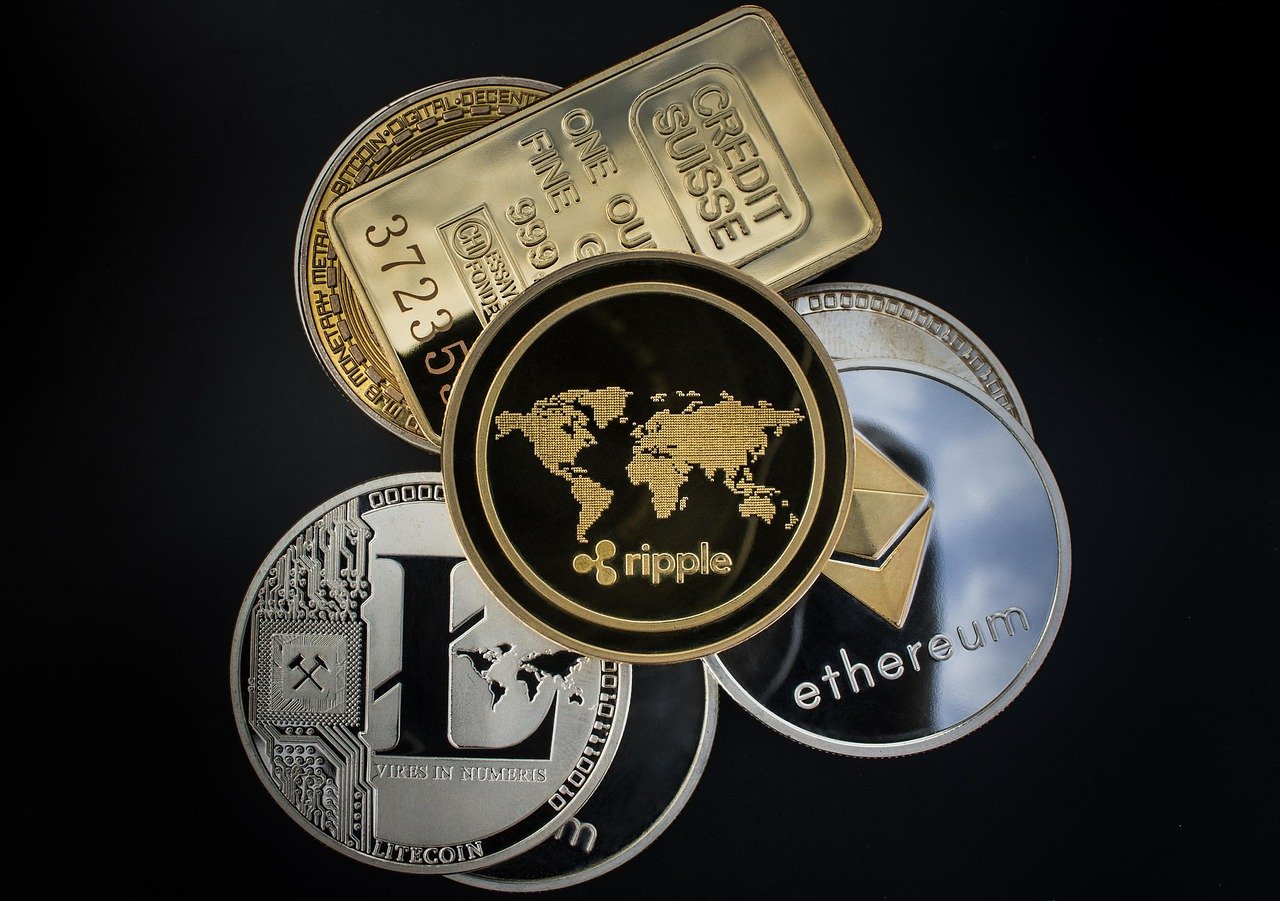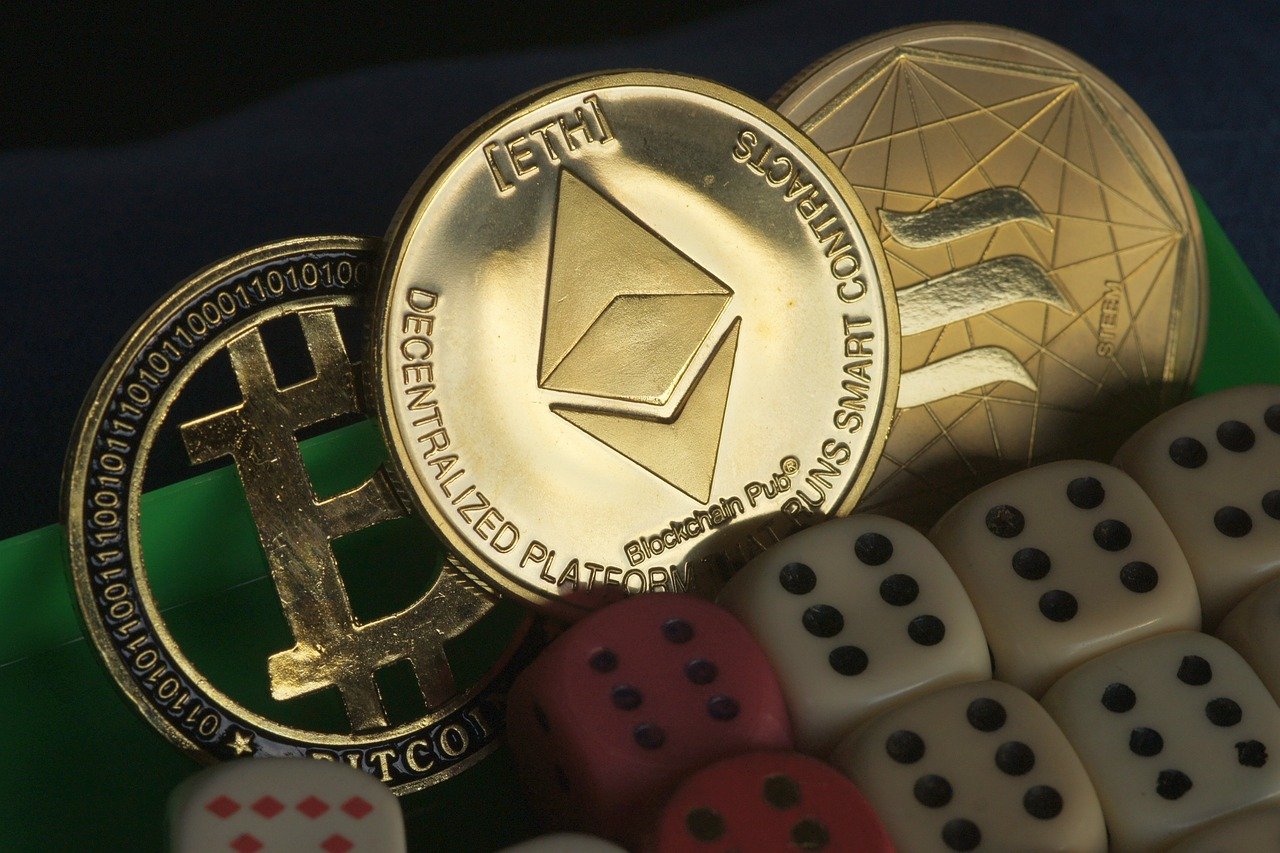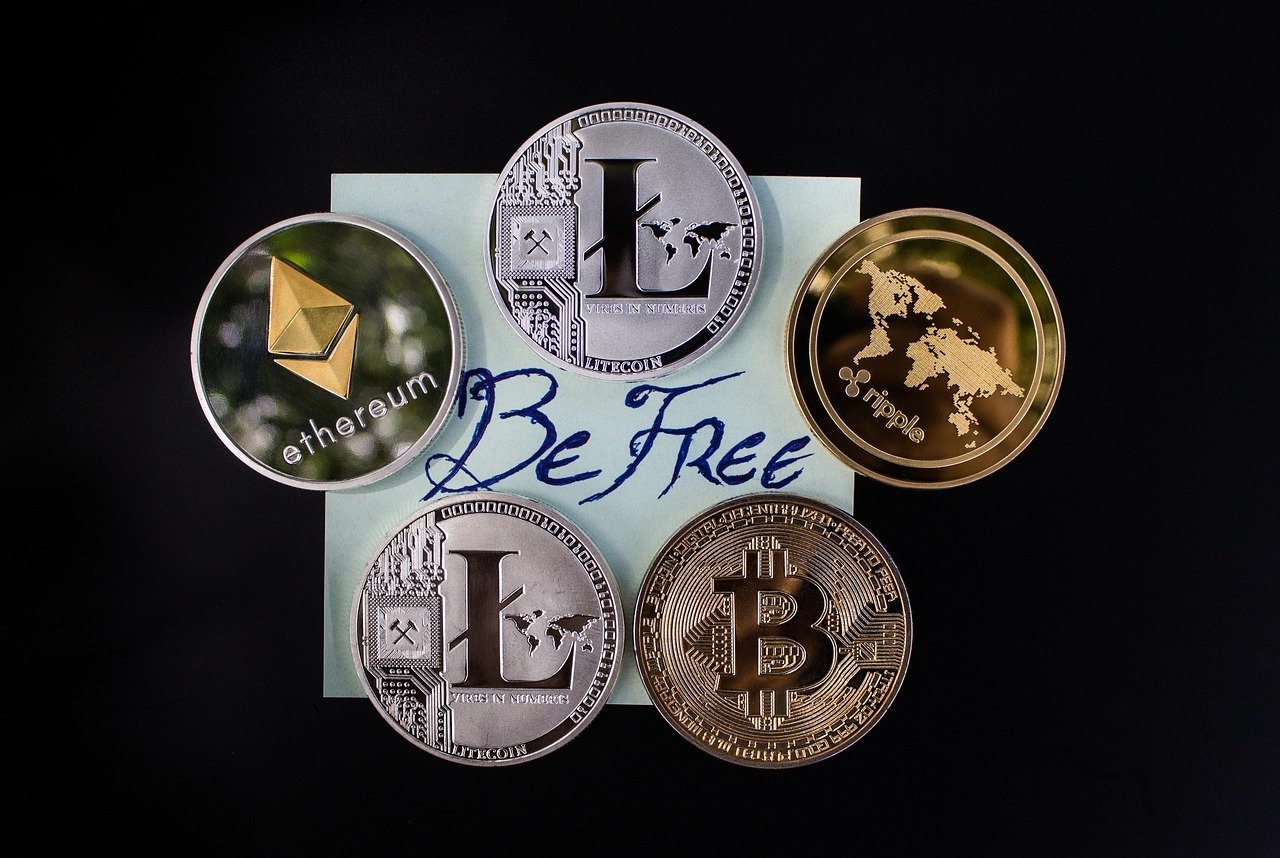
In a world increasingly shaped by digital innovation, a single blockchain platform has emerged as a titan, extending its influence far beyond mere cryptocurrency. Ethereum is not just another digital coin; it’s a foundational technology, a “world computer” that is rapidly redefining how we interact with money, art, identity, and data itself. While Bitcoin pioneered digital scarcity, Ethereum introduced programmable money and decentralized applications, unlocking an explosion of creativity and functionality that continues to reshape the internet as we know it. This comprehensive guide will dive deep into Ethereum’s core mechanics, its transformative applications, and its ambitious future, providing you with a clear understanding of its profound impact.
What is Ethereum and Why Does It Matter?
At its heart, Ethereum is a decentralized, open-source blockchain with smart contract functionality. It functions as a global, programmable settlement layer, allowing developers to build and deploy immutable applications. Unlike Bitcoin, which is primarily a store of value and a medium for transactions, Ethereum’s design prioritizes flexibility and extensibility, making it the backbone of the nascent Web3 era.
Beyond Cryptocurrency: The World Computer
- Smart Contracts: Ethereum’s most revolutionary feature is its support for smart contracts. These are self-executing agreements with the terms of the agreement directly written into lines of code. They run exactly as programmed without any possibility of censorship, downtime, fraud, or third-party interference. Think of them as digital vending machines for any kind of agreement.
- Decentralization: The Ethereum network is maintained by thousands of independent nodes around the world. This decentralized nature means no single entity has control, making it highly resistant to censorship and single points of failure.
- Programmability: Developers can write complex programs (smart contracts) that dictate how digital assets move and how applications behave. This programmability is why Ethereum is often called a “world computer.”
- Use Cases: From financial services (DeFi) to digital art (NFTs), gaming, supply chain management, and decentralized autonomous organizations (DAOs), Ethereum provides the infrastructure for a vast array of innovations.
Practical Example: Imagine buying a concert ticket. Traditionally, you trust a ticketing platform. With an Ethereum-based smart contract, the ticket could automatically transfer to your wallet upon payment, and the artist could receive royalties directly and instantly if you resell it, all without intermediaries.
The Role of Ether (ETH)
Ether (ETH) is the native cryptocurrency of the Ethereum blockchain and plays several crucial roles within the ecosystem:
- Gas Fees: Every transaction and smart contract execution on the Ethereum network requires a small fee, paid in ETH, known as “gas.” This fee compensates miners/validators for their computational effort and prevents spamming of the network.
- Staking (after The Merge): With the transition to Proof-of-Stake, ETH holders can “stake” their ETH to help secure the network and, in return, earn rewards. This shifts ETH from being just a transactional token to also a productive asset.
- Store of Value: Like Bitcoin, ETH is increasingly seen as a digital asset that can store value over time, attracting investors and institutions.
- Collateral in DeFi: In decentralized finance (DeFi) applications, ETH is often used as collateral to borrow other digital assets or participate in lending protocols.
Actionable Takeaway: Understanding gas fees is crucial for anyone interacting with Ethereum. Always check the current gas prices (e.g., on Etherscan or EthGasStation) before making a transaction to manage costs, especially during periods of high network congestion.
The Power of Smart Contracts and DApps
Ethereum’s true power lies in its ability to execute smart contracts and host decentralized applications (DApps). These innovations are at the forefront of the Web3 movement, promising a more open, transparent, and user-centric internet.
How Smart Contracts Work
Smart contracts are essentially code that runs on the Ethereum Virtual Machine (EVM). They are deterministic, meaning they will always produce the same output for a given input, and they are immutable once deployed.
- Automated Execution: They automatically execute predefined actions when certain conditions are met, eliminating the need for intermediaries.
- Transparency: All transactions and contract states are recorded on the public blockchain, ensuring transparency and auditability.
- Trustless: Parties don’t need to trust each other, only the code itself, which is transparent and verifiable.
- Security: Cryptographic security makes it nearly impossible to tamper with smart contracts once they are deployed.
Practical Example: Consider a decentralized insurance policy. A smart contract could automatically pay out claims for flight delays if it receives data (via an “oracle” that connects real-world data to the blockchain) confirming the delay, without any manual approval process.
Exploring Decentralized Applications (DApps)
DApps are applications built on top of a decentralized network, primarily Ethereum. They combine smart contracts with user interfaces to offer functionalities similar to traditional apps but with key distinctions:
- Open Source: The code is often publicly available.
- Decentralized Backend: The application’s logic and data are stored and executed on the blockchain, not a centralized server.
- Censorship-Resistant: No single entity can shut down the DApp.
- Tokenized Incentives: Many DApps incorporate their own tokens for governance, utility, or rewards.
Key categories of DApps include:
- Decentralized Finance (DeFi): Platforms for lending, borrowing, trading, and asset management without traditional banks (e.g., Uniswap, Aave, Compound). The total value locked (TVL) in DeFi protocols on Ethereum often exceeds tens of billions of dollars, showcasing its significant economic activity.
- Non-Fungible Tokens (NFTs): Unique digital assets representing ownership of art, collectibles, music, or real estate (e.g., OpenSea, Rarible). NFTs have generated billions in trading volume, creating new digital economies for creators.
- Gaming: Play-to-earn games and virtual worlds where players own in-game assets as NFTs (e.g., Axie Infinity, The Sandbox).
- Decentralized Autonomous Organizations (DAOs): Organizations governed by smart contracts and token holders, enabling collective decision-making (e.g., MakerDAO).
Actionable Takeaway: Explore a reputable DeFi platform like Uniswap to understand decentralized trading, or browse an NFT marketplace like OpenSea to see how digital ownership is being redefined. Start with small amounts to learn the ropes.
The Ethereum Ecosystem and Its Evolution
Ethereum is a constantly evolving platform, with its developers and community working tirelessly to enhance its capabilities, scalability, and sustainability. Key among these advancements are the shift to Proof-of-Stake and the development of scaling solutions.
From Proof-of-Work to Proof-of-Stake: The Merge
Historically, Ethereum operated on a Proof-of-Work (PoW) consensus mechanism, similar to Bitcoin, where “miners” used powerful computers to solve complex puzzles. In September 2022, Ethereum underwent “The Merge,” a monumental upgrade that transitioned the network to a Proof-of-Stake (PoS) mechanism.
- Proof-of-Work (PoW) Limitations: PoW was energy-intensive and had limited transaction throughput, contributing to higher gas fees and environmental concerns.
- Proof-of-Stake (PoS) Advantages:
- Energy Efficiency: PoS drastically reduces Ethereum’s energy consumption by over 99.9%, making it a much greener blockchain. Instead of “mining,” validators “stake” their ETH as collateral to propose and validate new blocks.
- Enhanced Security: PoS mechanisms can offer stronger economic security guarantees against certain types of attacks.
- Scalability Foundation: While The Merge itself didn’t directly improve transaction speeds, it laid the essential groundwork for future scalability upgrades like sharding.
- Staking Rewards: ETH holders can participate in securing the network by staking their ETH and earn rewards in return, making ETH a yield-bearing asset.
Actionable Takeaway: If you hold ETH, research staking options. You can stake independently if you have 32 ETH or join a staking pool with smaller amounts through services like Lido or Coinbase, earning passive income while supporting network security.
Scaling Ethereum: Sharding and Layer 2 Solutions
Despite The Merge, Ethereum’s mainnet (Layer 1) still faces limitations in terms of transaction throughput and high gas fees during peak demand. To address this, the ecosystem is developing multi-pronged scaling strategies:
- Sharding (Future Upgrade): Sharding is a planned future upgrade that will horizontally partition the Ethereum blockchain into smaller, more manageable pieces called “shards.” Each shard can process transactions independently, dramatically increasing the network’s overall capacity and data availability. This is a complex, multi-year endeavor.
- Layer 2 (L2) Scaling Solutions: These are separate blockchains or protocols built on top of Ethereum’s mainnet to handle transactions off-chain, then periodically settle them on Layer 1. L2s are already operational and widely used:
- Rollups (Optimistic & ZK-Rollups): These solutions “roll up” hundreds or thousands of transactions into a single batch and submit it to the Ethereum mainnet.
- Optimistic Rollups (e.g., Arbitrum, Optimism): Assume transactions are valid by default and provide a challenge period for fraud proofs. They offer significant gas fee reductions and faster transaction times.
- ZK-Rollups (e.g., zkSync, StarkWare): Use complex cryptographic proofs (zero-knowledge proofs) to instantly verify the validity of transactions. They offer even stronger security and faster finality.
- Rollups (Optimistic & ZK-Rollups): These solutions “roll up” hundreds or thousands of transactions into a single batch and submit it to the Ethereum mainnet.
- Sidechains (e.g., Polygon PoS): Independent blockchains compatible with Ethereum, running their own consensus mechanisms. They offer high throughput and low fees but may have different security assumptions than the Ethereum mainnet.
Practical Example: Sending an NFT or making a DeFi trade on Ethereum’s mainnet might cost $10-$50 in gas. Performing the same action on an L2 like Arbitrum or Optimism could cost less than $1, making everyday interactions much more affordable and faster. Many popular DApps now support L2s.
Actionable Takeaway: If you’re experiencing high gas fees, explore using DApps on Layer 2 networks. Many wallets and platforms now integrate L2 solutions, making it easier to bridge your ETH or tokens and transact at a fraction of the cost.
Ethereum’s Impact and Future Potential
Ethereum’s journey is far from over. It has already made an indelible mark on various sectors and continues to drive innovation at an unprecedented pace.
Transforming Industries
Ethereum’s flexible blockchain infrastructure has spurred innovation across diverse industries:
- Finance: Decentralized Finance (DeFi) has created an alternative financial system, offering permissionless lending, borrowing, and trading. Stablecoins like USDC and DAI, predominantly issued on Ethereum, provide stable value within the volatile crypto market.
- Art & Entertainment: NFTs have revolutionized digital ownership, empowering artists, musicians, and creators with new monetization models and direct connections to their audiences.
- Supply Chain & Logistics: Smart contracts can enhance transparency and traceability in supply chains, from tracking goods to verifying their authenticity.
- Digital Identity: Projects are exploring how Ethereum can provide self-sovereign digital identities, giving individuals control over their personal data and online presence.
- Gaming: Blockchain gaming integrates NFTs for in-game assets, allowing true player ownership and creating new economic opportunities within virtual worlds.
Relevant Statistic: As of early 2024, the total market capitalization of all cryptocurrencies built on Ethereum (ERC-20 tokens) stands in the hundreds of billions of dollars, illustrating its vast economic footprint.
Challenges and Opportunities
While Ethereum’s potential is immense, it also faces significant challenges:
- Regulatory Uncertainty: Governments worldwide are still grappling with how to regulate cryptocurrencies and blockchain technology, which could impact Ethereum’s adoption.
- Competition: Other Layer 1 blockchains (e.g., Solana, Avalanche, Polkadot) are emerging with different approaches to scalability and decentralization, vying for developer and user attention.
- User Experience: Interacting with DApps and managing private keys can still be complex for mainstream users. Improving UI/UX is crucial for mass adoption.
- Scalability (Ongoing): While L2s and future sharding are promising, the need for increased transaction throughput remains a primary focus to support a truly global, high-volume ecosystem.
Despite these challenges, the opportunities are vast:
- Mass Adoption of Web3: Continued innovation in DApps, particularly in gaming and social media, could onboard billions of new users.
- Interoperability: Efforts to connect Ethereum with other blockchains will create a more fluid and integrated multi-chain ecosystem.
- Decentralized Governance: DAOs are still in their infancy but hold the promise of more transparent and community-driven organizations.
Actionable Takeaway: Stay informed about regulatory developments in your region and explore how various DApps are tackling UX challenges. Participating in community discussions (e.g., on Twitter or Reddit) can provide insights into emerging trends and solutions.
Conclusion
Ethereum is more than just a cryptocurrency; it’s a revolutionary platform that has ignited the decentralized web, fostering an ecosystem of unprecedented innovation. From programmable smart contracts that automate agreements to the sprawling landscape of DApps in DeFi, NFTs, and gaming, Ethereum has laid the groundwork for a more open, transparent, and equitable digital future. Its transition to Proof-of-Stake and ongoing advancements in scalability, through Layer 2 solutions and future sharding, underscore its commitment to evolving and meeting the demands of a global user base. While challenges remain, Ethereum’s robust community, continuous development, and proven track record firmly position it as a foundational technology driving the next iteration of the internet. As it continues to mature, Ethereum promises to reshape industries, empower individuals, and redefine our understanding of digital interaction, making it an essential topic for anyone interested in the future of technology and finance.