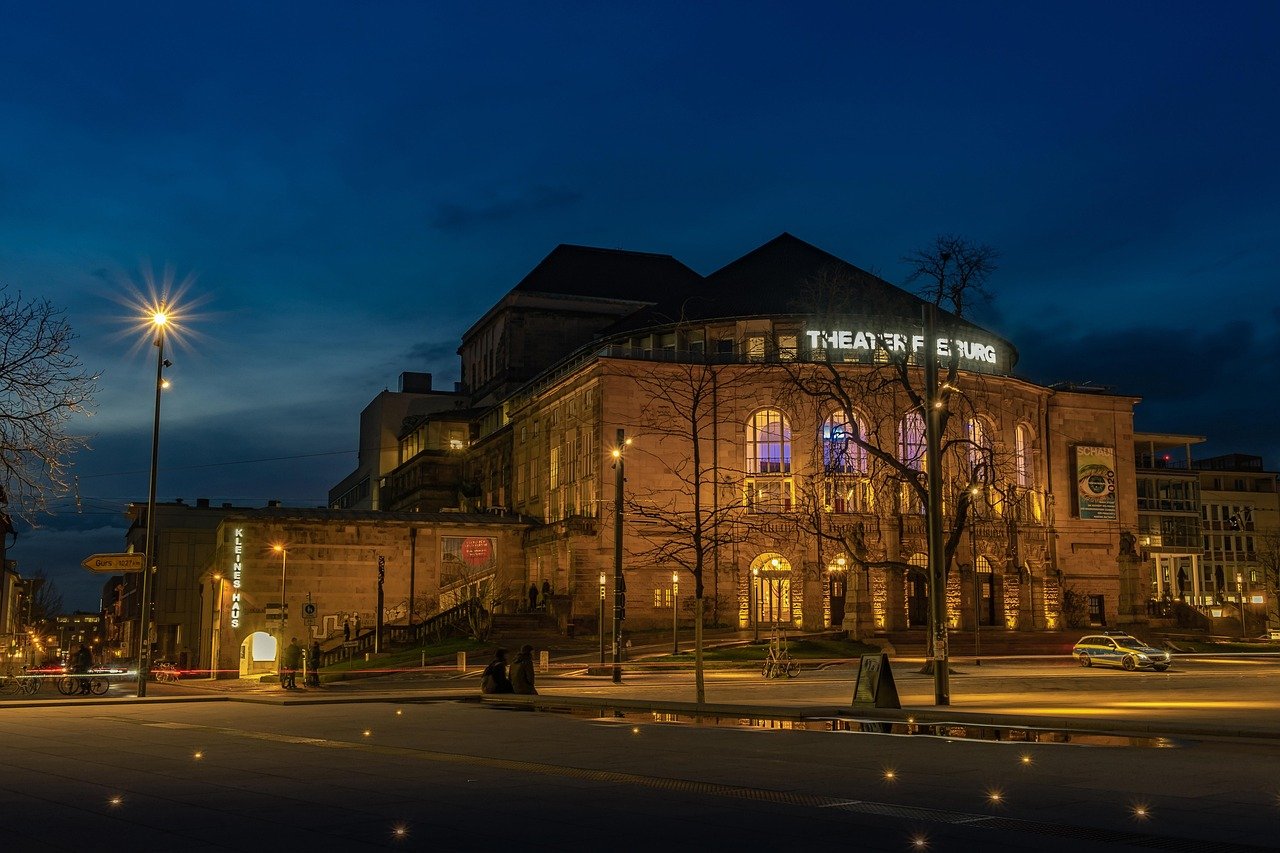
From the humblest school auditorium to grand national stages, talent shows have captivated audiences and launched careers for generations. More than just a display of skill, these vibrant events serve as a powerful platform for self-expression, community building, and personal growth. They invite us to witness the extraordinary hidden within the ordinary, celebrating creativity in all its forms, and fostering an environment where dreams can take flight. Whether you’re a budding performer, an enthusiastic organizer, or simply a captivated spectator, the magic of a talent show offers an unforgettable experience.
The Enduring Appeal of Talent Shows
Talent shows are a timeless tradition for good reason. They tap into fundamental human desires: the wish to express oneself, the thrill of performance, and the joy of collective experience. These events offer a unique blend of entertainment, inspiration, and community spirit that few other formats can match.
Why We Love Them: A Dual Perspective
- For Performers:
- Validation and Recognition: A chance to be seen, heard, and appreciated for one’s unique abilities.
- Experience: Invaluable stage time, helping to hone skills and overcome stage fright.
- Motivation: The competitive aspect can push individuals to refine their craft and achieve new heights.
- Networking: Opportunities to connect with fellow artists, mentors, or even potential collaborators.
- Confidence Boost: Successfully performing, regardless of the outcome, significantly enhances self-esteem.
- For Audiences:
- Entertainment Value: A diverse range of acts ensures there’s something for everyone, often leading to moments of awe, laughter, and surprise.
- Inspiration: Witnessing raw talent and dedication can motivate others to pursue their own passions or try new things.
- Community Bonding: Sharing a common experience strengthens social ties and creates lasting memories.
- Discovery: The excitement of seeing a new star emerge or being introduced to an unexpected talent.
- Emotional Connection: Performers often share personal stories or express deep emotions, creating a powerful bond with the audience.
A Brief History and Modern Relevance
While modern talent shows trace roots back to vaudeville and amateur nights, their essence – communal display of skill – is ancient. Today, they remain incredibly relevant, from local church gatherings and school events to global phenomena like “America’s Got Talent.” They adapt to new platforms, including online formats, making them more accessible than ever before, yet their core purpose of showcasing talent and fostering connection remains constant.
Types of Talent Shows and Their Unique Flavors
Talent shows come in many shapes and sizes, each catering to different demographics and objectives. Understanding these variations can help both organizers and participants choose the right platform.
School & University Talent Shows
Often the first introduction to the stage for many, these events are crucial for student development.
- Focus: Encouraging participation, fostering school spirit, developing performance skills, and identifying hidden talents among students.
- Common Acts: Singing, dancing, musical instruments, magic tricks, stand-up comedy, poetry recitation, skits.
- Benefits: Builds student confidence, promotes peer support, offers a fun break from academics, and creates lasting memories for the school community.
- Example: A high school “Spirit Week Show” where different classes compete with creative group acts and individual student performances to win points for their grade.
Corporate Talent Shows & Team Building Events
These are gaining popularity as innovative ways to boost morale and foster camaraderie in the workplace.
- Focus: Employee engagement, team building, stress relief, discovering colleagues’ hidden skills outside of work roles.
- Common Acts: Often light-hearted, including musical performances, humorous skits, unique hobbies, or even impressive professional skills demonstrated playfully.
- Benefits: Improves inter-departmental relations, enhances company culture, provides a platform for employees to connect on a personal level, and can reveal leadership or creative potential.
- Example: An annual company holiday party featuring “Office Idol,” where employees showcase their vocal talents, judged by senior management in a playful setting.
Community & Charity Talent Shows
These events serve a dual purpose: entertainment and fundraising for noble causes.
- Focus: Raising funds or awareness for a specific charity, celebrating local talent, bringing diverse community members together.
- Common Acts: A wide range of community-based acts, often featuring local bands, dance troupes, family acts, and solo artists of all ages.
- Benefits: Supports worthy causes, strengthens community bonds, provides a platform for local artists, and creates a sense of shared purpose.
- Example: A “Stars for Charity” event organized by a local rotary club, inviting residents to perform, with all ticket proceeds benefiting a local food bank.
Virtual & Online Talent Shows
Leveraging technology, these shows offer global reach and unprecedented accessibility.
- Focus: Breaking geographical barriers, allowing anyone with internet access to participate or watch, often leveraging social media for voting and engagement.
- Common Acts: Pre-recorded video submissions, live streamed performances, digital art displays, interactive skill demonstrations.
- Benefits: Wider audience reach, lower overhead costs for organizers, increased participation potential, innovative use of technology, and the ability to preserve performances permanently online.
- Example: A YouTube-based “Global Got Talent” where contestants submit videos, and the audience votes through likes and comments, with finalists performing via live stream.
Beyond the Spotlight: Personal Growth and Skill Development
The true value of participating in a talent show extends far beyond the applause and potential prizes. It’s a powerful catalyst for personal development, honing a range of life skills that are invaluable in any endeavor.
Building Unshakeable Confidence
Stepping onto a stage, or even recording a performance for public viewing, requires a significant leap of faith. This act of bravery is a direct pathway to enhanced self-belief.
- Overcoming Stage Fright: Facing and managing performance anxiety builds resilience and coping mechanisms.
- Public Speaking Skills: Even non-vocal acts require stage presence, clear communication (often non-verbal), and engaging an audience, all crucial public speaking elements.
- Self-Acceptance: Learning to embrace imperfections and enjoy the process, rather than solely focusing on perfection, fosters a healthier self-image.
- Actionable Takeaway: Encourage participants, especially first-timers, to focus on the experience and growth rather than just winning. Celebrate effort and courage equally with talent.
Developing Performance Prowess
Talent shows provide a practical laboratory for refining one’s craft in a real-world setting.
- Refining Your Act: The preparation process involves rigorous practice, critical self-assessment, and often seeking feedback.
- Understanding Audience Engagement: Performers learn what resonates with an audience, how to command attention, and how to tell a story or convey emotion effectively.
- Adaptability: Dealing with unexpected technical glitches or audience reactions teaches quick thinking and flexibility.
- Time Management: Preparing an act, rehearsing, and managing other commitments builds crucial organizational skills.
- Actionable Takeaway: Provide clear guidelines on performance length, technical requirements, and rehearsal opportunities to help performers optimize their act.
Fostering Resilience and Sportsmanship
Not every performance will be flawless, and not every participant will win. These outcomes offer vital life lessons.
- Learning from Feedback: Constructive criticism, whether from judges or self-reflection, is an opportunity for improvement.
- Grace in Victory and Defeat: Understanding that success isn’t just about winning, but about participation, effort, and supporting others.
- Teamwork (for Group Acts): Collaborating on a group performance teaches compromise, communication, and shared responsibility.
- Actionable Takeaway: Emphasize that the biggest prize is the personal journey and growth. Implement judging criteria that reward effort, originality, and growth, not just technical perfection.
Organizing a Successful Talent Show: A Practical Guide
Putting together a talent show can seem daunting, but with careful planning and execution, it can be a tremendously rewarding experience for everyone involved. Here’s a roadmap to success.
Initial Planning and Logistics
The foundation of any successful event lies in meticulous early planning.
- Define Your Vision & Goals: What’s the purpose? (e.g., fundraiser, community building, pure entertainment, employee morale). This will guide all subsequent decisions.
- Establish a Budget: Account for venue rental, sound/lighting, marketing, prizes, refreshments, and staff/volunteer appreciation.
- Set Date & Venue: Choose a date that avoids major conflicts and a venue suitable for the expected audience size and technical needs. Consider acoustics, stage size, and backstage areas.
- Form a Committee: Delegate responsibilities (e.g., performer recruitment, marketing, technical, judging, front-of-house).
- Actionable Takeaway: Start planning at least 3-6 months in advance for larger events. Create a detailed checklist and assign tasks with deadlines.
Recruiting Talent & The Audition Process
Finding diverse and engaging acts is key to a captivating show.
- Promotion & Call for Entries: Utilize flyers, social media, local newspapers, and community groups to spread the word. Clearly state eligibility, rules, and submission deadlines.
- Audition Process:
- Pre-screening: For large numbers, consider video submissions first.
- Live Auditions: Schedule these efficiently, providing clear time slots. Have judges ready with criteria.
- Feedback (Optional): For school or community shows, offering constructive feedback to non-selected acts can be beneficial.
- Diversity of Acts: Aim for a good mix of singing, dancing, instrumental, comedy, magic, etc., to keep the audience engaged.
- Actionable Takeaway: Be transparent about audition criteria and selection process. Set a clear limit on the number of acts to ensure the show doesn’t run too long (typically 15-20 acts for a 2-hour show).
Technical Production & Show Flow
A smooth technical execution is crucial for a professional feel.
- Sound & Lighting: Secure professional sound engineers and lighting technicians if possible. Discuss each act’s specific needs (e.g., number of microphones, instrument inputs, specific lighting cues).
- Stage Management: Appoint a dedicated stage manager to keep acts moving efficiently backstage, manage props, and cue performers.
- Run-of-Show Document: Create a detailed schedule outlining every minute: introductions, performances, judge comments, intermissions, awards, and thank-yous.
- Rehearsals: Schedule a technical rehearsal or dress rehearsal for all acts to familiarize them with the stage, sound, and lighting.
- Actionable Takeaway: Prioritize technical excellence. A single sound issue can detract from an otherwise brilliant performance. Test all equipment rigorously before the show.
Judging & Prizes
Fair and transparent judging is essential for credibility.
- Judging Panel: Select judges who are knowledgeable, fair, and ideally have some experience in various performing arts. Aim for 3-5 judges.
- Clear Criteria: Develop explicit judging criteria and share them with both judges and performers (e.g., originality, stage presence, technical skill, audience appeal).
- Prizes: Offer meaningful (but not necessarily expensive) prizes. Trophies, gift certificates, scholarships, or even performance opportunities can be highly motivating.
- Audience Voting: Consider incorporating an audience choice award to increase engagement.
- Actionable Takeaway: Train your judges on the scoring system and ensure they understand their role in providing fair, objective evaluations. Announce judging criteria publicly.
Maximizing Impact: Tips for Performers and Organizers
Whether you’re stepping into the spotlight or orchestrating the event, a few key strategies can elevate the experience from good to unforgettable.
For Performers: Shining Your Brightest
Beyond talent, success on stage often comes down to preparation and presence.
- Practice, Practice, Practice: Rehearse your act until it’s second nature. Time yourself, record yourself, and practice in front of friends or family.
- Choose Wisely: Select an act that showcases your strengths and resonates with you. For musical acts, pick a song that suits your vocal range or instrumental skill. For comedy, ensure your jokes land well.
- Engage Your Audience: Make eye contact, use appropriate facial expressions and body language, and project your voice. Remember, you’re not just performing; you’re connecting.
- Manage Stage Presence: Use the stage effectively. Don’t stand still unless your act demands it. Move with purpose, project confidence, and own the space.
- Be Prepared for Anything: Have a backup plan if something goes wrong (e.g., forgetting lyrics, a prop malfunction). A true professional can recover smoothly.
- Actionable Takeaway: Film your rehearsals and watch them critically. Focus on areas like stage presence and audience connection, not just technical perfection.
For Organizers: Crafting an Unforgettable Experience
A well-organized show leaves a lasting positive impression on everyone.
- Promote Heavily: Utilize every available channel – social media, local news, school announcements, community boards – to build buzz and attract a large audience.
- Ensure Smooth Transitions: Minimize dead air between acts. Have a host who is engaging and can keep the energy high. Use transitional music or short video clips.
- Engage the Audience: Consider incorporating interactive elements, such as audience voting for a “People’s Choice” award, or mini-games during intermissions.
- Prioritize Performer Experience: Provide clear communication, a comfortable waiting area, and support throughout the process. Happy performers contribute to a great show.
- Professionalism & Hospitality: Ensure the venue is clean, staff are friendly and helpful, and all technical aspects are handled smoothly. Consider providing refreshments for volunteers and performers.
- Actionable Takeaway: Conduct a post-event survey for both performers and audience members to gather feedback for future improvements. Celebrate the success of your team and volunteers.
Conclusion
Talent shows are far more than just competitions; they are vibrant celebrations of human potential, community spirit, and the sheer joy of creation. From fostering personal confidence and developing crucial life skills to uniting communities and discovering hidden stars, their impact is profound and far-reaching. Whether you aspire to be a captivating performer, a diligent organizer, or an appreciative audience member, embracing the world of talent shows offers rich rewards. So, step up, lend your support, or simply sit back and enjoy the spectacle – you might just discover something truly extraordinary.